

2026 Yamaha Tracer 7 GT Review: The Smart Sports Tourer With a Wild Side
The 2026 Yamaha Tracer 7 GT lands in a sweet spot for UK riders who want proper sports-touring ability without stepping up to a bigger, pricier litre-class machine. It sits below the Tracer 9 in Yamaha’s range, but it still brings a lot of the same appeal: upright comfort, useful tech, real-world pace and that characterful CP2 twin that makes even ordinary roads feel entertaining.
This is a Yamaha Tracer 7 GT review based on Liam Simm’s UK test ride for Moto Planet. Liam rode the bike on British roads, including the sort of B-road and everyday tarmac where a middleweight sports tourer either makes sense or quickly shows its weaknesses. Thanks to Yamaha Mees in Queensferry for supplying the bike.
Summary
- Engine 689cc CP2 parallel twin
- Power 72.4bhp
- Torque 68Nm
- Weight 212kg wet
- Fuel Capacity 18 litres
- Price From £10,208
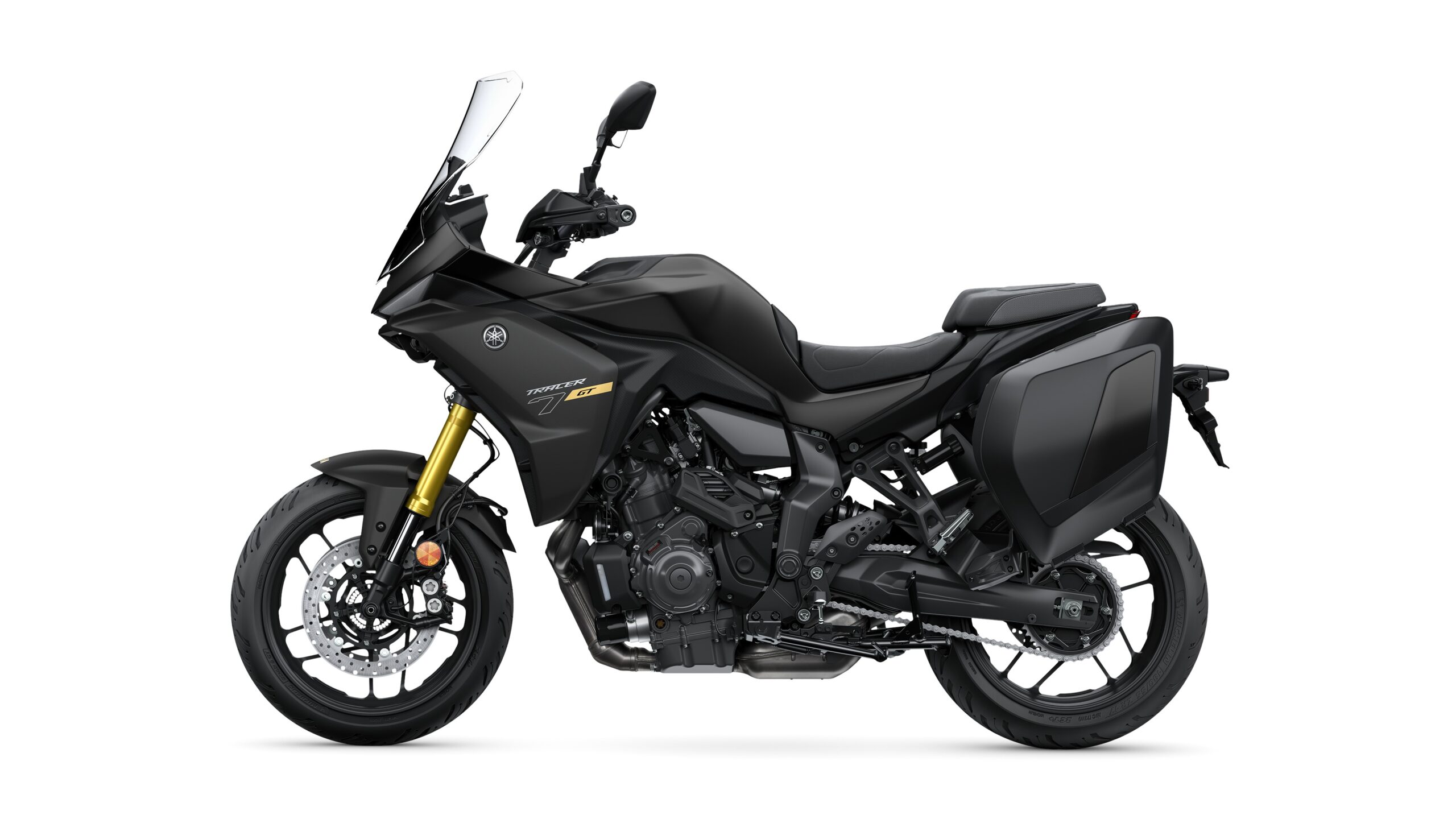
Buying Advice: Who is this bike for? Who should skip it?
The Tracer 7 GT makes the most sense for riders who want one bike to cover a lot of ground. If you commute through the week, head out for Sunday blasts, and still fancy a long weekend away with luggage, this Yamaha is right in the target zone. Liam came away from his UK road ride impressed by how easily it balances comfort, agility and just enough attitude. On B-roads it still feels playful, but it does not demand silly speeds to be enjoyable.
It is also a strong option for riders stepping up from a naked twin or something smaller and wanting more weather protection, more comfort and better touring kit without moving into a much bigger machine. The GT version especially makes sense because it bundles in the taller screen, heated grips, comfort seat, centre stand and hard luggage-ready touring brief that many buyers would end up wanting anyway.
“It’s got the fun for the B-roads and the twisties, but it’s also got that nice comfort, relaxing feel that you come to expect from a tourer.” - Liam Simm
Who should skip it? Riders who want the last word in outright power or motorway muscle may be happier on a Tracer 9 or something bigger. And if automatic transmissions are a deal-breaker either way, Liam’s advice is simple: try the Y-AMT before committing. He was not sold on it in this application, so a traditional manual may still be the safer bet for riders who want a more natural feel at the lever and foot controls.
Design and road presence
Yamaha has made the Tracer 7 GT look sharper and more premium without losing the compact proportions that make it approachable. Liam reckons it is one of the best-looking sports tourers on the market, and on the road it is easy to see why. The front end has a more aggressive, almost superbike-inspired face, and on the GT the gold forks add a bit of visual theatre without tipping into gimmick territory.
In Tech Black it looks clean, modern and slightly understated, which suits the bike. This is not trying to be an adventure bike in sports-touring clothing. It looks like a road-biased machine for riders who value proper tarmac fun, and that comes through clearly in the stance and detailing.
“I think that the Tracer is quite possibly the nicest looking sports tourer on the market.”- Liam Simm
Engine and performance on UK roads
The heart of the Tracer 7 GT is still the CP2 twin, and that is a big part of the bike’s appeal. On paper, 72.4bhp does not sound outrageous, but this is one of those bikes where the numbers matter less than the delivery. Liam’s ride on UK roads highlighted exactly why Yamaha’s twin has such a loyal following: it is smooth, eager and full of usable character in the sort of 40 to 70mph riding that makes up a lot of real-world British motorcycling.
Rather than chasing headline top-end, the Tracer 7 GT trades on punchy midrange and a throttle connection that makes the bike feel alive. Liam repeatedly came back to how effortless it felt to make progress. That matters more than a spec-sheet win when you are riding mixed roads, carrying luggage or just trying to enjoy yourself without constantly watching the speedo.
If your riding is mostly UK B-roads, A-roads and occasional motorway work, this engine makes a lot of sense. It gives the bike a fun streak that some more sensible rivals struggle to match.
Handling, suspension and that “fun” factor
This is where the Tracer 7 GT starts to justify its price. Liam found it light, stable and very easy to trust. The updated front end and revised chassis setup give it a sportier, more planted feel than older Tracer 7s, while still keeping the easygoing manners you want from a sports tourer. That matters on rough UK surfaces where too-stiff suspension can ruin a bike very quickly.
On his test ride, Liam said the suspension felt firm but not crashy, and that sums it up well. It holds itself together properly over poor surfaces, yet still feels lively when the road opens up. The raised bars also help, because you are not pitched forward too much. That creates a bike that feels natural in town, relaxed on longer runs and still keen when the road starts to twist.
For riders who want a middleweight tourer that still feels like a motorcycle rather than a mobile appliance, this is one of the Tracer’s biggest strengths.
“It’s so manoeuvrable. It’s so comfortable. It’s so capable and it’s so light as well.”- Liam Simm
Comfort, touring kit and everyday usability
The GT trim is where the Tracer 7 really earns its keep. Liam’s UK ride made clear that Yamaha has spent time improving comfort and rider touchpoints. The bars are raised, the seat is thicker and more supportive, and the GT screen does a decent job of keeping wind off your chest. For taller riders, there can still be some turbulence higher up, but overall it sounds like a meaningful step forward for longer-distance work.
The adjustable seat height and roomy riding position should also suit a wide spread of UK riders. Liam is six foot and felt comfortable on it straight away, which is a good sign for anyone wanting a bike that works across commuting, day rides and touring. Heated grips, centre stand and hard luggage are exactly the sort of extras that make a difference once you actually live with the bike, rather than just admire it in a showroom.
If you are planning weekends away or longer UK tours, it is worth checking out our 2026 Yamaha Tracer 7 GT parts & accessories to see what fits your bike.
Features and tech
The Tracer 7 GT gets the sort of kit middleweight buyers now expect, but Yamaha has not gone overboard. There is a 5-inch TFT dash, rider modes, smartphone connectivity, navigation support, cruise control and heated grips on the GT. Liam also liked the general feel of the switchgear and controls, even if he was not keen on the rocker-style indicator switch.
The standout talking point is Y-AMT. In theory, an automated manual transmission makes a lot of sense on a touring bike because it can reduce fatigue and make day-to-day riding easier. In practice, Liam was blunt: he did not get on with it. He found it jerky and less natural than Honda’s DCT setup. That does not automatically rule it out for everyone, but it does make this a bike you should test in the exact transmission format you plan to buy.
That is really the main caveat here. Most of the Tracer’s tech feels useful and well judged. Y-AMT is the one feature where rider preference will decide whether it is a bonus or a drawback.
Ownership, running costs and reliability
For UK ownership, the Tracer 7 GT looks strong on paper. Yamaha claims 68.9mpg, and with an 18-litre tank that points to strong touring range if you are riding sensibly. Real-world numbers will depend on pace and luggage, but Liam’s comments suggest this is the sort of bike that encourages brisk riding without forcing huge fuel bills. That is one of the big advantages of a middleweight twin in this class.
Servicing should also be manageable by category standards. Yamaha’s owner manual schedule for the Tracer 7 platform shows routine service points every 6,000 miles, with valve-clearance checks at 24,000 miles. Exact dealer pricing varies, so it is worth checking with your local Yamaha dealer, but the broader picture is positive: this is a proven engine family with a good reputation for durability when serviced properly.
Yamaha’s UK support also helps the ownership case. The brand advertises a 5-year leisure factory warranty, 24 months of road assistance with a new bike purchase, and an additional 12 months of extended factory-level warranty is available through its YOU warranty scheme. That adds reassurance for riders planning to keep the bike beyond the honeymoon period.
Two-up and touring practicality also look solid. The GT-spec comfort seat, centre stand, screen and luggage setup make it much more than a dressed-up commuter. Liam’s feedback about the seat, ergonomics and general refinement backs that up. Resale should also be helped by the CP2 engine’s popularity and Yamaha’s strong reputation in the UK used market, especially if you buy the GT version that most sports-touring shoppers will want.
How the Yamaha Tracer 7 GT compares to its rivals?
Against the Honda NC750X, the Tracer 7 GT feels like the more playful and more emotional choice. The Honda is cheaper to buy, famously sensible and hard to fault as an everyday machine, but the Yamaha offers more character, more urgency and a more overtly sporty edge. If your riding is mostly practical and you love the idea of DCT and built-in storage, the NC still makes a lot of sense. If you want your touring bike to feel alive on a Sunday morning, the Yamaha is the more engaging pick.
The Triumph Tiger Sport 660 is probably the closest rival for riders who value road-biased sports-touring manners. The Triumph counters with a sweeter top-end triple, strong electronics and a polished feel, while the Tracer 7 GT fights back with a punchier twin-cylinder character, proven Yamaha simplicity and a very natural fit for UK B-roads. Then there is the Suzuki V-Strom 800RE, which gives you more capacity and a roomy all-round package for similar money, but it leans a little more toward the adventure side of the category. The Yamaha feels more focused if your riding is mainly fast road, commuting and light touring rather than rougher-surface exploration.
Verdict
The 2026 Yamaha Tracer 7 GT gets the brief right for UK riders. It is comfortable enough to tour, compact enough to live with, and still full of the character that makes a Yamaha twin so enjoyable on ordinary roads. Liam’s test ride makes a strong case for it as one of the most entertaining middleweight sports tourers currently on sale.
The main decision is not really whether to buy a Tracer 7 GT or a base Tracer 7. It is whether this is the right kind of middleweight for you. If you want straight-line muscle above all else, move up a class. If you want practical value above all else, the Honda NC750X will tempt you. But if you want a bike that can commute, tour and still make a damp British B-road feel worth riding, the Tracer 7 GT is a very convincing package.
And on Liam’s verdict, if you are buying a Tracer 7, you should stretch to the GT.
Pros
- Characterful CP2 engine with real-world punch
- Comfortable upright ergonomics for UK riding
- GT kit adds genuinely useful touring extras
- Light, agile feel on B-roads and in town
- Better quality and refinement than older Tracer 7s
Cons
- Pricier than some obvious rivals
- Tall riders may still notice wind noise and buffeting
- Y-AMT will not suit every rider
- Indicator rocker switch is not the most intuitive
- Hard luggage is useful but not class-leading
2026 Yamaha Tracer 7 GT – UK FAQ
Yamaha lists the Tracer 7 GT from £10,208 in the UK, with on-the-road pricing shown separately. As ever, dealer charges and any accessories can change the final figure.
It uses Yamaha’s 689cc CP2 parallel twin. In the Tracer 7 GT it produces 72.4bhp and 68Nm, giving it a broad, usable spread of performance rather than a peaky top-end feel.
Yes. The GT version is the one most touring riders should look at because it adds a taller adjustable screen, heated grips, a comfort seat, centre stand and hard luggage setup. Liam’s UK ride also highlighted its comfort and easy long-distance manners.
Yamaha’s claimed figure is around 68.9mpg. Real-world UK riding will vary with speed, load, weather and riding style, but the Tracer 7 GT should still be relatively economical for a sports tourer.
With an 18-litre tank and strong claimed economy, it has the potential for a very useful touring range. In practice, many riders will be thinking in terms of comfortable fuel stops rather than chasing the last mile.
The Tracer 7 platform is widely known as an A2-friendly Yamaha with the appropriate restriction kit, but UK buyers should confirm the exact model and dealer-approved restriction options before purchase.
The obvious UK rivals are the Honda NC750X, Triumph Tiger Sport 660 and Suzuki V-Strom 800RE. Each has a slightly different slant, but all sit in the same broad do-it-all road-touring space.
The CP2 engine has a strong reputation and has powered several Yamaha models successfully for years. As with any bike, reliability depends on proper maintenance, but the engine itself is generally seen as one of Yamaha’s strong points.
The Yamaha maintenance schedule shows regular service intervals every 6,000 miles, with valve-clearance checks at 24,000 miles. Dealer labour rates vary, so service costs are worth checking locally.
That depends on how you ride, but luggage options, touring add-ons and bike-specific protection parts are the obvious starting point. If you are building the bike for commuting or touring, start with the essentials that match your setup rather than buying blindly.